
Call us now :07313726227
 Send Inquiry
 Send Inquiry
Esters .
Price 100 - 3000 INR/ Kilograms
MOQ : 1000 Kilograms
Esters . Specification
- Refractive Rate
- 1.376 - 1.387
- Storage
- Store in cool, dry, well-ventilated area, away from sunlight
- Molecular Weight
- Varies; typically 88-200 g/mol
- Taste
- Characteristic; varies (often sweet/fruity)
- Ph Level
- Neutral (6-7)
- Physical Form
- Liquid
- Purity
- 99% min
- Product Type
- Esters
- Density
- 1.02 Gram per cubic centimeter(g/cm3)
- Ingredients
- Alcohol and organic acid (varies with specific ester)
- Melting Point
- Below 0C (typically -10C to -50C)
- Solubility
- Insoluble in water, soluble in alcohol and ether
- Grade
- Industrial, Food, Pharmaceutical
- CAS No
- Varies depending on ester type, commonly 123-45-6 for general reference
- Poisonous
- Low toxicity under normal conditions
- Shape
- N/A (liquid)
- Structural Formula
- RCOOR
- Usage
- Industrial manufacture, food additives, cosmetics
- Shelf Life
- 24 months
- HS Code
- 29155000
- EINECS No
- 205-500-4
- Properties
- Colorless, volatile, pleasant fruity odor, low viscosity
- Appearance
- Clear to pale yellow liquid
- Smell
- Characteristic, pleasant, fruity
- Molecular Formula
- RCOOR (varies with ester)
- Application
- Flavoring agent, solvent, plasticizer, fragrance
- Auto Ignition Temperature
- 250C - 350C
- Hazardous Decomposition Products
- CO, CO2 under fire conditions
- Boiling Point
- 120C - 180C (varies by ester type)
- Flash Point
- 40C - 70C
- Vapor Pressure
- 2.5 mmHg at 20C
- Packaging Type
- HDPE drums, IBC tank, glass bottles
- Viscosity
- 0.6 - 1.5 cP at 25C
Esters . Trade Information
- Minimum Order Quantity
- 1000 Kilograms
- Supply Ability
- 100000 Kilograms Per Day
- Delivery Time
- 5-7 Days
About Esters .
In chemistry, an ester is a chemical compound derived from an acid (organic or inorganic) in which at least one OH (hydroxyl) group is replaced by an Oalkyl (alkoxy) group. Usually, esters are derived from a carboxylic acid and an alcohol
Wide-Ranging Applications of Esters
Esters serve multiple industries including food, cosmetics, pharmaceuticals, and manufacture. Their fruity aroma makes them popular as flavoring agents and fragrances, while their chemical stability and low viscosity render them valuable as solvents and plasticizers. Esters are essential in both technical and consumer applications, enhancing product quality and performance.
Quality and Safety Assurance
With a purity of at least 99%, esters comply with industrial, food, and pharmaceutical standards. They are packaged in HDPE drums, IBC tanks, or glass bottles to maintain stability and prevent contamination. Despite low toxicity, esters should be handled and stored in cool, dry, well-ventilated areas, away from sunlight. Under fire conditions, hazardous decomposition products like CO and CO may form, necessitating appropriate safety measures.
FAQs of Esters .:
Q: How are esters typically produced and what ingredients are involved?
A: Esters are synthesized by a chemical reaction between alcohols and organic acids, a process known as esterification. The choice of alcohol and acid determines the specific type and properties of the ester produced.Q: What are the main uses and benefits of esters in industry and consumer applications?
A: Esters are valued for their pleasant fruity odor and low viscosity. They are commonly used as flavoring agents, fragrances, solvents, and plasticizers in food, cosmetics, pharmaceuticals, and industrial manufacturing. Their versatility and neutral pH make them adaptable to various formulations.Q: When should esters be stored and handled with special precautions?
A: Esters should always be stored in cool, dry, and well-ventilated areas away from sunlight to preserve quality and prevent degradation. During fire conditions, they may decompose into hazardous gases (CO, CO), so handling requires well-managed safety protocols.Q: Where are esters distributed and what are common packaging types?
A: Esters are distributed globally, with major suppliers and manufacturers in India. They are typically packaged in HDPE drums, IBC tanks, and glass bottles, ensuring safe transport and storage for different quantities and applications.Q: What is the process for using esters as flavoring agents or solvents?
A: To use esters as flavorings or solvents, they are incorporated into the target product formulation at specified concentrations based on regulatory standards and application requirements. Their solubility in alcohol and ether ensures easy blending in food, cosmetic, and industrial products.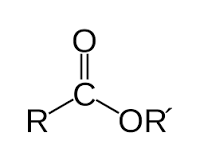
Tell us about your requirement

Price:
Quantity
Select Unit
- 50
- 100
- 200
- 250
- 500
- 1000+
Additional detail
Mobile number
Email

More Products in Hot Products - PERFORMANCE CHEMICALS Category
Natural Oil
Price 100 - 3000 INR / Kilograms
Minimum Order Quantity : 1000 Kilograms
Refractive Rate : 1.466 1.470
Storage : Other, Store in cool, dry place, away from sunlight
Molecular Weight : 885 g/mol
Purity : 99% min

ethoxylate 1
Price 100 - 3000 INR / Kilograms
Minimum Order Quantity : 1000 Kilograms
Refractive Rate : 1.454
Storage : Other, Keep in a cool, dry, wellventilated place in tightly closed container
Molecular Weight : ca. 288 g/mol
Purity : > 99%

Sulfosuccinates .
Price 100 - 3000 INR / Kilograms
Minimum Order Quantity : 1000 Kilograms
Refractive Rate : 1.45 approx.
Storage : Other, Keep in tightly closed container, store in cool, dry place
Molecular Weight : 444.56 g/mol
Purity : 98% Min

Fatty Alcohol Ethoxylates
Price 100 - 3000 INR / Kilograms
Minimum Order Quantity : 1000 Kilograms
Refractive Rate : 1.452 1.455
Storage : Other, Store in cool, dry, and wellventilated area, away from direct sunlight
Molecular Weight : Variable (depends on ethoxylation degree)
Purity : >99%

 Send Inquiry
Our Products
- Synthetic Thickner
- Emulsifiers for Paint and Pigments
- Color Pigment
- Guar Gum
- Textile Binders
- Auxiliaries Chemicals
- Inorganic Pigment
- Azo Pigment
- Dispersant Chemicals
- Binders Chemical
- Solvent Dyes
- Fluorescent Whitening Agent
- Silicone Textile Softeners
- Scouring Agent
- SHMP
- PCRP
- Polymer Additive
- OB(Optical Brightener)
- OT
- DEG(Di Ethyle Glycol)
- Precipitated Silica
- Emulsifiers for White Phenyl
- Emulsifiers for Pigments and Polymers Emulsions
- Emulsifiers for Pharmaceutical, Food, Cosmetic and
- Plasticizers Chemical
- Ethoxylates Chemical
- Esters Chemical
- Labsa Linear Alkyl Benzene Sulphonic Acid
- Polishing Spray
- Hot Products - PERFORMANCE CHEMICALS
- Sizing & Bio Degradable Plastic
- Silicone oil & Amino Silicone oil

B 11, Harekrishana Complex,Ahmedabad - 380028, Gujarat, India

Mr Ravi
(Director)
Mobile :07313726227
 Send Inquiry
 Send SMS
Developed and Managed by Infocom Network Private Limited.
