
Call us now :07313726227
 Send Inquiry
 Send Inquiry
Amides .
Price 100 - 3000 INR/ Kilograms
MOQ : 1000 Kilograms, ,
Amides . Specification
- Physical Form
- Solid
- Shape
- Powder / Granular
- Purity
- 98% minimum
- Taste
- Odorless / Tasteless
- Refractive Rate
- Not applicable / not measured for solids
- Storage
- Store in cool, dry, and well-ventilated place, away from sunlight and moisture.
- Grade
- Industrial Grade
- Solubility
- Insoluble in water, soluble in hot alcohol and organic solvents
- Molecular Formula
- RCONH2 (General structure for amides)
- HS Code
- 29241900
- Ingredients
- Fatty acid alkanolamide or respective organic derivatives depending on specific amide.
- Molecular Weight
- Variable (depends on specific amide)
- Density
- 0.98 Gram per cubic centimeter(g/cm3)
- Usage
- Additive in plastics, personal care, textile, and rubber industry
- Shelf Life
- 24 months in original unopened packaging
- Poisonous
- NO
- Appearance
- White or off-white solid or powder
- Product Type
- Organic Compound
- Structural Formula
- R-CO-NH2
- Melting Point
- Varies; typically around 70-110 C for common fatty amides
- Properties
- Characteristic properties include white or off-white solid, neutral pH, non-corrosive, and stable under recommended storage conditions.
- Application
- Used as slip agents, anti-block agents, lubricants, thickener and in surfactants
- Ph Level
- 6.5 7.5 (neutral)
- Smell
- Characteristic faint odor
- Particle Size
- Typically 10 50 micron
- Boiling Point
- Decomposes before boiling
- Hazard Class
- Not classified as hazardous
- Loss on Drying
- <1% at 105C
- Flash Point
- >150C
- Compatibility
- Compatible with most polymers and organic chemicals
- Packaging Type
- Bags / Drums / Customized
Amides . Trade Information
- Minimum Order Quantity
- 1000 Kilograms, ,
- Supply Ability
- 100000 Kilograms, , Per Day
- Delivery Time
- 5-7 Days
About Amides .
Amides are usually regarded as derivatives of carboxylic acids in which the hydroxyl group has been replaced by an amine or ammonia. The lone pair of electrons on the nitrogen is delocalized into the carbonyl, thus forming a partial double bond between N and the carbonyl carbon.
Safe and Stable Industrial Additive
Amides deliver characteristic stability and safety, being non-corrosive, non-poisonous, and neutral in pH. Their robust shelf life of 24 months ensures consistent performance under proper storage conditions, making them a reliable ingredient for a wide array of industrial applications.
Exceptional Versatility and Compatibility
Owing to their compatibility with most polymers and organic substances, amides are widely used as additives across numerous manufacturing sectors. Their adaptability in various formspowder or granuleallows for seamless integration into plastic, rubber, textile, and personal care formulations.
FAQs of Amides .:
Q: How should amides be stored to maintain optimal quality?
A: Amides should be kept in a cool, dry, and well-ventilated place, away from direct sunlight and moisture. Storing them in their original, unopened packaging will ensure a shelf life of up to 24 months.Q: What is the typical usage process for amides in industrial applications?
A: Amides are generally added as additives during the manufacturing process of plastics, rubbers, and textile products. Their fine particle size (1050 microns) allows for easy dispersion, improving material performance such as slip, lubrication, and anti-block properties.Q: Where are amides most commonly used?
A: Amides are widely used in industries such as plastics, personal care, textiles, and rubber due to their unique properties that enhance product functionality, like acting as slip agents or thickeners.Q: What are the main benefits of using amides in manufacturing?
A: Utilizing amides provides several advantages, including improved processability, enhanced surface characteristics (such as slip and anti-blocking), and increased lubrication, all without introducing hazardous or corrosive elements.Q: Are amides safe and non-hazardous for handling and use?
A: Yes, amides are not classified as hazardous, are non-poisonous, odorless or faintly scented, non-corrosive, and stable under recommended storage conditions, making them safe for everyday handling in industrial environments.Q: What forms and packaging options are available for amides?
A: Amides are supplied as powder or granular solids and are available in bags, drums, or customized packaging based on the customers requirements.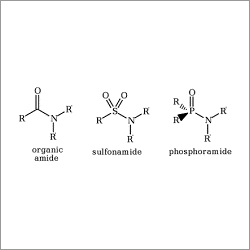
Tell us about your requirement

Price:
Quantity
Select Unit
- 50
- 100
- 200
- 250
- 500
- 1000+
Additional detail
Mobile number
Email

More Products in Hot Products - PERFORMANCE CHEMICALS Category
Natural Oil
Price 100 - 3000 INR / Kilograms
Minimum Order Quantity : 1000 Kilograms
Purity : 99% min
Grade : Cosmetic & Food Grade
Storage : Other, Store in cool, dry place, away from sunlight
Refractive Rate : 1.466 1.470

Sulfosuccinates .
Price 100 - 3000 INR / Kilograms
Minimum Order Quantity : 1000 Kilograms
Purity : 98% Min
Grade : Industrial Grade
Storage : Other, Keep in tightly closed container, store in cool, dry place
Refractive Rate : 1.45 approx.
Sulphates
Price 100 - 3000 INR / Kilograms
Minimum Order Quantity : 1000 Kilograms
Purity : 99%
Grade : Industrial Grade
Storage : Other, Store tightly closed in a dry and wellventilated place
Refractive Rate : 1.468
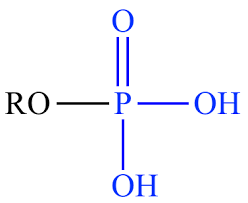
Phosphate Esters
Price 100 - 3000 INR / Kilograms
Minimum Order Quantity : 1000 Kilograms
Purity : >99%
Grade : Industrial Grade
Storage : Other, Store in tightly sealed containers, away from direct sunlight and moisture
Refractive Rate : 1.5401.550

 Send Inquiry
Our Products
- Synthetic Thickner
- Emulsifiers for Paint and Pigments
- Color Pigment
- Guar Gum
- Textile Binders
- Auxiliaries Chemicals
- Inorganic Pigment
- Azo Pigment
- Dispersant Chemicals
- Binders Chemical
- Solvent Dyes
- Fluorescent Whitening Agent
- Silicone Textile Softeners
- Scouring Agent
- SHMP
- PCRP
- Polymer Additive
- OB(Optical Brightener)
- OT
- DEG(Di Ethyle Glycol)
- Precipitated Silica
- Emulsifiers for White Phenyl
- Emulsifiers for Pigments and Polymers Emulsions
- Emulsifiers for Pharmaceutical, Food, Cosmetic and
- Plasticizers Chemical
- Ethoxylates Chemical
- Esters Chemical
- Labsa Linear Alkyl Benzene Sulphonic Acid
- Polishing Spray
- Hot Products - PERFORMANCE CHEMICALS
- Sizing & Bio Degradable Plastic
- Silicone oil & Amino Silicone oil

B 11, Harekrishana Complex,Ahmedabad - 380028, Gujarat, India

Mr Ravi
(Director)
Mobile :07313726227
 Send Inquiry
 Send SMS
Developed and Managed by Infocom Network Private Limited.
