
Call us now :07313726227
 Send Inquiry
 Send Inquiry
Di Ethyle Phthalate (DEP)
Price 100 - 3000 INR/ Kilograms
MOQ : 1000 Kilograms
Di Ethyle Phthalate (DEP) Specification
- Smell
- Mild aromatic odor
- Solubility
- Insoluble in water, soluble in alcohol, ether, acetone, and benzene.
- HS Code
- 29173990
- Ingredients
- Diethyl phthalate
- Properties
- Colorless, oily liquid with slight aromatic odor; stable under normal conditions; compatible with a wide range of organic solvents.
- Purity
- >= 99.5%
- Melting Point
- -4 C
- Storage
- Store in cool, dry, and well-ventilated area, away from heat or flame.
- Physical Form
- Liquid
- Taste
- Practically tasteless
- Usage
- Plasticizer for cellulose ester, intermediate for dyes and chemicals, fixative in perfumes.
- CAS No
- 84-66-2
- Product Type
- Industrial Grade Chemical
- Structural Formula
- C6H4(CO2C2H5)2
- Application
- Used as plasticizer in plastics, cellulosic, synthetic resin, perfumes, cosmetics, and as solvent for cellulose esters.
- Refractive Rate
- 1.5001.502 at 20C
- EINECS No
- 201-550-6
- Molecular Formula
- C12H14O4
- Density
- 1.122 Gram per cubic centimeter(g/cm3)
- Appearance
- Clear, colorless
- Molecular Weight
- 222.24 g/mol
- Shape
- Liquid/oily
- Poisonous
- No (non-poisonous but avoid inhalation and ingestion)
- Shelf Life
- 2 years in unopened container under optimal storage conditions.
- Grade
- Industrial Grade
- Freezing Point
- -4C
- Odor Threshold
- ~0.1 ppm
- Vapor Pressure
- 0.001 mmHg at 20C
- Auto Ignition Temperature
- 430C
- Viscosity
- 10.5 cSt at 25C
- Stability
- Stable under normal temperatures and pressures
- Water Content
- <0.1%
- Packaging
- Available in 200 kg drums or IBC tanks
- Flash Point
- 168C (Open cup)
- Boiling Point
- 298 C
- Hazard Class
- Not classified as hazardous under GHS
Di Ethyle Phthalate (DEP) Trade Information
- Minimum Order Quantity
- 1000 Kilograms
- Supply Ability
- 100000 Kilograms Per Day
- Delivery Time
- 5-7 Days
About Di Ethyle Phthalate (DEP)
| Chemical Name | Di Ethyle Phthalate (DEP) |
| Appearance | Odourless,Colourless Liquide Free From Any Oxidisalye Aldehydes & Ketones |
| Purity | 99.9 % Max |
| Colour | APHA 25 Max |
| Ash Content | 0.01 Max |
| Acid Value | 0.055 Max |
| Specific Grevity | 20 C 1.1180 - 1.1220, 30 C 1.1120 - 1.1160 |
General Properties
| Test | Test Conditions | Value |
| Structural Formula | --- | C6 H4(COOCH3)2 |
| Empirical Formula | --- | C12 14O4 |
| Molecular Weight | --- | 222 |
| Specific Gravity | 20 degC, 30 degC | 1.1180 - 1.1220, 1.1120 - 1.1160 |
| Refractive Index | 20 degC | --- |
Versatile Industrial Applications
Diethyl Phthalate is a favored plasticizer and solvent in various industries, including plastics, resins, cosmetics, and dyes. Its compatibility with numerous organic solvents and stability make it suitable for formulations requiring flexible, durable, and odor-resistant attributes. DEP is also used as a fixative in perfumes, aiding in prolonging fragrance longevity.
Safe Handling and Storage Recommendations
Although DEP is not classified as hazardous or poisonous, it should be handled responsibly. Store in cool, dry, well-ventilated areas away from sources of heat and flame. Inhalation and ingestion should still be avoided, and containers should remain sealed when not in use to maintain quality and extend shelf life.
Product Packaging and Distribution
DEP is available for industrial use in 200 kg drums or IBC tanks, ensuring safe and efficient transport and storage. With high purity grades, it is distributed and supplied by manufacturers throughout India, supporting diverse industrial requirements and ensuring availability across both large-scale and niche applications.
FAQs of Di Ethyle Phthalate (DEP):
Q: How should Diethyl Phthalate (DEP) be stored for optimal shelf life?
A: DEP should be stored in a cool, dry, and well-ventilated area, away from heat or open flames. Containers must be tightly sealed when not in use. Under these storage conditions, DEP maintains a shelf life of up to 2 years in its original, unopened packaging.Q: What are the main applications and benefits of using DEP in industry?
A: DEP is primarily utilized as a plasticizer for cellulose ester, synthetic resins, and in the production of plastics. It serves as a fixative in perfumes and cosmetics, ensuring longer-lasting fragrance. Its stability, high purity, and compatibility with organic solvents make it beneficial across multiple sectors including chemical, dye, and personal care manufacturing.Q: Is DEP hazardous or poisonous, and what precautions should be taken during usage?
A: DEP is not classified as hazardous under GHS and is considered non-poisonous. Nonetheless, it is advisable to avoid direct inhalation and ingestion. Use protective equipment and ensure proper ventilation when handling large quantities, as recommended for all industrial chemicals.Q: Where and how can DEP be obtained for industrial use in India?
A: DEP is widely distributed and supplied in India by various manufacturers. It is available in 200 kg drums or IBC tanks for industrial applications and can be sourced directly from chemical distributors or suppliers specializing in industrial chemicals.Q: What solvents is DEP compatible with, and what substances is it insoluble in?
A: DEP exhibits excellent solubility in alcohol, ether, acetone, and benzene, facilitating its use as a versatile solvent and plasticizer. However, it is insoluble in water, making it suitable for applications where water resistance is needed.Q: When is the use of DEP most beneficial in product manufacturing?
A: DEPs use is most advantageous when product formulation requires flexibility, durability, and efficient blending with organic solvents, such as in making plastics, cellulosic products, and perfumes. Its mild odor and stable nature enhance product quality and shelf stability.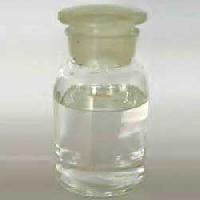
Tell us about your requirement

Price:
Quantity
Select Unit
- 50
- 100
- 200
- 250
- 500
- 1000+
Additional detail
Mobile number
Email

More Products in Plasticizers Chemical Category

Di Methyle Phthalate
Price 100 - 3000 INR / Kilograms
Minimum Order Quantity : 1000 Kilograms
Molecular Weight : 194.18 g/mol
Shape : other, Liquid
Density : 1.19 Gram per cubic centimeter(g/cm3)
Appearance : Clear, colorless liquid

 Send Inquiry
Our Products
- Synthetic Thickner
- Emulsifiers for Paint and Pigments
- Color Pigment
- Guar Gum
- Textile Binders
- Auxiliaries Chemicals
- Inorganic Pigment
- Azo Pigment
- Dispersant Chemicals
- Binders Chemical
- Solvent Dyes
- Fluorescent Whitening Agent
- Silicone Textile Softeners
- Scouring Agent
- SHMP
- PCRP
- Polymer Additive
- OB(Optical Brightener)
- OT
- DEG(Di Ethyle Glycol)
- Precipitated Silica
- Emulsifiers for White Phenyl
- Emulsifiers for Pigments and Polymers Emulsions
- Emulsifiers for Pharmaceutical, Food, Cosmetic and
- Plasticizers Chemical
- Ethoxylates Chemical
- Esters Chemical
- Labsa Linear Alkyl Benzene Sulphonic Acid
- Polishing Spray
- Hot Products - PERFORMANCE CHEMICALS
- Sizing & Bio Degradable Plastic
- Silicone oil & Amino Silicone oil

B 11, Harekrishana Complex,Ahmedabad - 380028, Gujarat, India

Mr Ravi
(Director)
Mobile :07313726227
 Send Inquiry
 Send SMS
Developed and Managed by Infocom Network Private Limited.
