
Call us now :07313726227
 Send Inquiry
 Send Inquiry
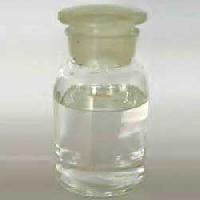
Di Methyle Phthalate
Price 100 - 3000 INR/ Kilograms
MOQ : 1000 Kilograms
Di Methyle Phthalate Specification
- Structural Formula
- C6H4(CO2CH3)2
- Physical Form
- Liquid
- EINECS No
- 205-011-6
- Ingredients
- Di Methyl Phthalate
- CAS No
- 131-11-3
- Grade
- Technical / Industrial
- Refractive Rate
- 1.516 - 1.518
- Solubility
- Insoluble in water; soluble in organic solvents
- Melting Point
- <0C (Liquid at room temperature)
- Molecular Weight
- 194.18 g/mol
- Smell
- Mild aromatic
- Poisonous
- Non-poisonous in conventional usage
- HS Code
- 29173200
- Usage
- Used in the manufacture of plastics, as an ingredient in mosquito repellents, and celluloid production
- Product Type
- Chemical Compound
- Appearance
- Clear, colorless liquid
- Ph Level
- Neutral
- Shelf Life
- Minimum 12 months under proper storage
- Storage
- Store in tightly closed containers in a cool, dry place
- Shape
- Liquid
- Properties
- Colorless, oily liquid with slight aromatic odor; Stable under recommended storage conditions
- Density
- 1.19 Gram per cubic centimeter(g/cm3)
- Application
- Plasticizer, insect repellents, solvent for cellulose esters
- Molecular Formula
- C10H10O4
- Purity
- 99.5%
- Emergency Measures
- In case of spillage, use sand or inert absorbent
- Compatibility
- Compatible with most organic chemicals and plasticizers
- Auto Ignition Temperature
- 457C
- Hazard Class
- Not classified as hazardous under standard regulations
- Vapor Pressure
- <0.01 mmHg at 20C
- Boiling Point
- 283C
- Supplier Guarantee
- Quality assured by ISO 9001:2015 certification
- Flash Point
- 146C
- Stability
- Stable under recommended storage conditions
- Environmental Impact
- Low bioaccumulation potential, biodegradable
- Packaging Type
- HDPE drums, glass bottles, IBC tanks
- Viscosity
- 13 mPas at 20C
- Synonyms
- Dimethyl 1,2-benzenedicarboxylate; DMP
- Transport Information
- Non-DG, can be shipped by air/sea/road
- Regulatory Status
- Conforms to REACH and other international regulations
- Production Method
- Esterification of phthalic anhydride with methanol
Di Methyle Phthalate Trade Information
- Minimum Order Quantity
- 1000 Kilograms
- Supply Ability
- 100000 Kilograms Per Day
- Delivery Time
- 5-7 Days
About Di Methyle Phthalate
General Properties
| Test | Test Conditions | Value |
| Structural Formula | --- | C6 H4(COOCH3)2 |
| Empirical Formula | --- | C10 H10 O4 |
| Molecular Weight | --- | 194 |
| Specific Gravity | 20 30 | 1.191 - 1.185 1.185 - 1.189 |
| Refractive Index | 20 deg C | 1.5155 |
| Flash Point | Open cup | 151 |
| Boiling Range | 860 mm | 290 deg C - 285 |
| Freezing Point | --- | - 1 |
| Vapour Pressure | 25 deg C mm Hg. | 0.01 |
| Viscosity | 25 | 11.03 CP |
| Thermal Expansion | per 1 | 0.00076 |
Product Specifications
| Test | Test Conditions | Specified Value. |
| Colour | APHA | 25 max. |
| Ash Content | Incineration method, % | 0.01 max. |
| Acid value | KOH - mg | 0.06 max. |
| Ester Value | KOH - mg | 574 /- 1 |
| Specific Gravity | 20 30 | 1.191 - 1.195 1.185 - 1.189 |
Versatile Industrial Applications
Di Methyl Phthalate serves a broad spectrum of industries, thanks to its compatibility with various organic chemicals and plasticizers. It is primarily used in the manufacturing of flexible plastics, as a component in insect repellents, and as a solvent for cellulose esters. Its high stability and effectiveness make it a reliable choice for industrial and technical applications.
Safe Handling and Storage
This product is stable under recommended storage conditions and is not classified as hazardous under standard regulations. For longevity and optimal performance, DMP should be stored in tightly closed HDPE drums, glass bottles, or IBC tanks in a cool, dry place. It is non-poisonous in typical applications and comes with guaranteed quality as per ISO 9001:2015 certification.
Environmentally Conscious Solution
Di Methyl Phthalate is distinguished by its low environmental impact. The compound demonstrates low bioaccumulation potential and biodegradability, minimizing potential harm to ecosystems. This makes DMP a suitable option for manufacturers looking to align their processes with sustainable and responsible environmental practices.
FAQs of Di Methyle Phthalate:
Q: How is Di Methyl Phthalate produced?
A: Di Methyl Phthalate is synthesized through the esterification of phthalic anhydride with methanol, resulting in a high-purity product suitable for industrial use.Q: What are the main uses of Di Methyl Phthalate?
A: DMP is commonly used as a plasticizer in plastic manufacturing, an ingredient in mosquito repellents, and as a solvent for cellulose esters and other compounds. Its versatility benefits several industries, including plastics, coatings, and personal care.Q: When is Di Methyl Phthalate preferred over other plasticizers?
A: DMP is preferred when a colorless, stable, and low-volatility plasticizer is required, or when high compatibility with various organic compounds is necessary. Its mild smell and non-poisonous nature enhance safety in application.Q: Where can Di Methyl Phthalate be stored and how should it be handled?
A: It should be stored in tightly sealed HDPE drums, glass bottles, or IBC tanks, kept in a cool and dry environment. It remains stable under these conditions and handling is straightforward as the chemical is not classified as hazardous.Q: What is the recommended process for cleaning up accidental spills of Di Methyl Phthalate?
A: In the event of a spill, contain and absorb the liquid using sand or an inert absorbent. Avoid direct contact, ventilate the area, and dispose of the materials according to local regulations.Q: How does using Di Methyl Phthalate benefit manufacturers?
A: Manufacturers benefit from using DMP by achieving flexibility and durability in plastics, safer processing due to its low toxicity and high thermal stability, and alignment with international environmental regulations for responsible manufacturing.Q: Is Di Methyl Phthalate safe and environmentally friendly?
A: DMP is regarded as non-poisonous in typical use and does not pose significant hazards under standard handling. Its low bioaccumulation potential and biodegradability contribute to its profile as an environmentally responsible choice.
Tell us about your requirement

Price:
Quantity
Select Unit
- 50
- 100
- 200
- 250
- 500
- 1000+
Additional detail
Mobile number
Email

More Products in Plasticizers Chemical Category
Di Ethyle Phthalate (DEP)
Price 100 - 3000 INR / Kilograms
Minimum Order Quantity : 1000 Kilograms
Molecular Weight : 222.24 g/mol
Smell : Other, Mild aromatic odor
Refractive Rate : 1.5001.502 at 20C
Solubility : Insoluble in water, soluble in alcohol, ether, acetone, and benzene.

 Send Inquiry
Our Products
- Synthetic Thickner
- Emulsifiers for Paint and Pigments
- Color Pigment
- Guar Gum
- Textile Binders
- Auxiliaries Chemicals
- Inorganic Pigment
- Azo Pigment
- Dispersant Chemicals
- Binders Chemical
- Solvent Dyes
- Fluorescent Whitening Agent
- Silicone Textile Softeners
- Scouring Agent
- SHMP
- PCRP
- Polymer Additive
- OB(Optical Brightener)
- OT
- DEG(Di Ethyle Glycol)
- Precipitated Silica
- Emulsifiers for White Phenyl
- Emulsifiers for Pigments and Polymers Emulsions
- Emulsifiers for Pharmaceutical, Food, Cosmetic and
- Plasticizers Chemical
- Ethoxylates Chemical
- Esters Chemical
- Labsa Linear Alkyl Benzene Sulphonic Acid
- Polishing Spray
- Hot Products - PERFORMANCE CHEMICALS
- Sizing & Bio Degradable Plastic
- Silicone oil & Amino Silicone oil

B 11, Harekrishana Complex,Ahmedabad - 380028, Gujarat, India

Mr Ravi
(Director)
Mobile :07313726227
 Send Inquiry
 Send SMS
Developed and Managed by Infocom Network Private Limited.
