
Call us now :07313726227
 Send Inquiry
 Send Inquiry
Diethylene Glycol
Price 100 - 3000 INR/ Kilograms
MOQ : 1000 Kilograms
Diethylene Glycol Specification
- Grade
- Industrial Grade
- Usage
- Used in the manufacture of resins, lubricants, and as a dehydrating agent
- Storage
- Store in a cool, dry, well-ventilated place away from strong acids and oxidizers
- Refractive Rate
- 1.447 at 20C
- Structural Formula
- HOCH2CH2OCH2CH2OH
- Shape
- Liquid
- Solubility
- Completely miscible in water
- Purity
- 99% min
- CAS No
- 111-46-6
- Ph Level
- Neutral
- Density
- 1.118 Gram per cubic centimeter(g/cm3)
- Properties
- Colorless, odorless, hygroscopic, viscous liquid
- Melting Point
- -10.45C
- Smell
- Slight characteristic odor
- Poisonous
- YES
- HS Code
- 29094100
- Physical Form
- Liquid
- Ingredients
- Diethylene Glycol
- Application
- Solvent, plasticizer, coolant, textile, and antifreeze
- Appearance
- Clear liquid
- Shelf Life
- 24 Months
- Molecular Formula
- C4H10O3
- Product Type
- Organic Chemical
- Molecular Weight
- 106.12 g/mol
- Taste
- Sweet
- EINECS No
- 203-872-2
- UN Number
- UN 3082
- Flash Point
- 143C (Closed cup)
- Auto-ignition Temperature
- 229C
- Viscosity
- 36.7 mPas at 20C
- Packaging Type
- Drums, tankers
- Boiling Point
- 245C
- pKa
- 14.4
- Hazard Class
- 6.1 (Toxic substances)
- Stability
- Stable under normal temperature and pressure
- Vapor Pressure
- 0.01 mmHg at 20C
Diethylene Glycol Trade Information
- Minimum Order Quantity
- 1000 Kilograms
- Supply Ability
- 100000 Kilograms Per Day
- Delivery Time
- 5-7 Days
About Diethylene Glycol
Our clients can avail variety of Di Ethyl Glycol. These organic compounds are sweet in taste, highly poisonous & viscous fluid so recommend to use the chemicals carefully. Further, these are formulated using finest quality ingredients and latest technology. Moreover, these are demanded to be used in varied applications and for the safe delivery we pack them tightly in fine material packages.
Some of the features are:
- Appearance: clear liquid
- Melting point: -10 C
- Boiling point: 244 to 245 degC
Industrial Applications and Benefits
Diethylene Glycols versatility as a solvent and plasticizer makes it invaluable in manufacturing resins and lubricants. Its use as a coolant and dehydrating agent supports various industrial processes efficiently. The products utility in textiles and antifreeze stems from its hygroscopic nature and miscibility with water, facilitating improved stability and processing.
Safety and Handling Measures
Given its classification as a toxic substance and hazard class 6.1, handling Diethylene Glycol requires stringent safety precautions. Protective equipment and proper ventilation are mandatory, especially when transferring from drums or tankers. It must be stored in a cool, dry, and well-ventilated place, away from strong acids and oxidizers to maintain stability and minimize risk.
Packaging and Storage Guidelines
Diethylene Glycol is supplied in industrial-grade packagingdrums and tankersfor bulk handling and transport. To ensure product integrity and safety, storage at normal temperature and pressure is crucial. Avoid exposure to heat, moisture, or incompatible chemicals. With proper storage, the shelf life of Diethylene Glycol extends to 24 months.
FAQs of Diethylene Glycol:
Q: How should Diethylene Glycol be stored to maintain safety and stability?
A: Store Diethylene Glycol in a cool, dry, well-ventilated area, away from strong acids and oxidizing agents. Ensure containers are tightly sealed and kept at normal temperature and pressure for optimal stability and shelf life.Q: What are the main industrial uses of Diethylene Glycol?
A: Diethylene Glycol is primarily used as a solvent, plasticizer, coolant, and dehydrating agent. It finds applications in manufacturing resins, lubricants, textiles, and antifreeze, providing enhanced processing and stability.Q: When is Diethylene Glycol considered hazardous, and what precautions are necessary during handling?
A: Diethylene Glycol is classified as a hazardous toxic substance (Hazard Class 6.1, UN 3082). Handling requires protective equipment, adequate ventilation, and strict avoidance of contact or ingestion. Emergency procedures should be in place for accidental spills or exposure.Q: Where is Diethylene Glycol typically distributed and supplied for industrial purposes?
A: Diethylene Glycol is distributed, manufactured, and supplied in India for industrial use, commonly packaged in drums and tankers for ease of transport and bulk processing.Q: What processes benefit from Diethylene Glycols hygroscopic and miscible properties?
A: Processes such as textile manufacturing and coolant formulation benefit from Diethylene Glycols ability to absorb moisture and mix completely with water, ensuring higher product consistency and efficiency.Q: What are the benefits of using Diethylene Glycol in antifreeze and lubricant production?
A: Diethylene Glycol enhances antifreeze effectiveness by lowering the freezing point due to its hygroscopic nature. In lubricants, it improves viscosity and stability, resulting in better performance under variable temperatures.Q: How long can Diethylene Glycol be stored, and what factors affect its shelf life?
A: Diethylene Glycol can be stored for up to 24 months if kept in recommended conditionscool, dry, and well-ventilated environments, away from incompatible substances. Poor storage conditions may reduce shelf life and product integrity.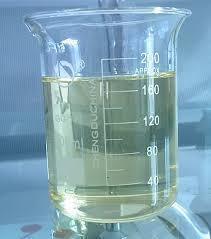
Tell us about your requirement

Price:
Quantity
Select Unit
- 50
- 100
- 200
- 250
- 500
- 1000+
Additional detail
Mobile number
Email

More Products in DEG(Di Ethyle Glycol) Category
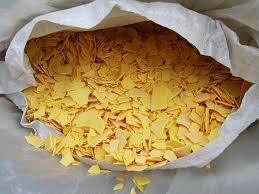
Sodium Sulphide Flakes
Price 100 - 3000 INR / Kilograms
Minimum Order Quantity : 1000 Kilograms
Grade : Industrial Grade
Usage : Used as a reducing agent, dehairing agent in leather processing, and for removing heavy metals from wastewater.
Storage : Other, Store in a cool, dry, wellventilated area away from moisture and incompatible substances.
Structural Formula : NaSNa
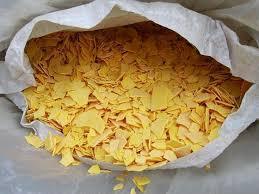
Sodium Sulphide
Price 100 - 3000 INR / Kilograms
Minimum Order Quantity : 1000 Kilograms
Grade : Industrial
Usage : Used for sulfide dye production, leather dehairing, metal recovery, water treatment
Storage : Other, Keep in cool, dry place, away from moisture and acids
Structural Formula : Na2S
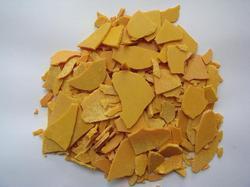
Sodium Flakes
Price 100 - 3000 INR / Kilograms
Minimum Order Quantity : 1000 Kilograms
Grade : Industrial Grade
Usage : Used for cleaning, pH regulation, as a chemical intermediate, saponification
Storage : Other, Store in wellventilated, dry place, tightly sealed, away from acids, moisture
Structural Formula : NaOH

 Send Inquiry
Our Products
- Synthetic Thickner
- Emulsifiers for Paint and Pigments
- Color Pigment
- Guar Gum
- Textile Binders
- Auxiliaries Chemicals
- Inorganic Pigment
- Azo Pigment
- Dispersant Chemicals
- Binders Chemical
- Solvent Dyes
- Fluorescent Whitening Agent
- Silicone Textile Softeners
- Scouring Agent
- SHMP
- PCRP
- Polymer Additive
- OB(Optical Brightener)
- OT
- DEG(Di Ethyle Glycol)
- Precipitated Silica
- Emulsifiers for White Phenyl
- Emulsifiers for Pigments and Polymers Emulsions
- Emulsifiers for Pharmaceutical, Food, Cosmetic and
- Plasticizers Chemical
- Ethoxylates Chemical
- Esters Chemical
- Labsa Linear Alkyl Benzene Sulphonic Acid
- Polishing Spray
- Hot Products - PERFORMANCE CHEMICALS
- Sizing & Bio Degradable Plastic
- Silicone oil & Amino Silicone oil

B 11, Harekrishana Complex,Ahmedabad - 380028, Gujarat, India

Mr Ravi
(Director)
Mobile :07313726227
 Send Inquiry
 Send SMS
Developed and Managed by Infocom Network Private Limited.
