
Call us now :07313726227
 Send Inquiry
 Send Inquiry
Sodium Sulphide Flakes
Price 100 - 3000 INR/ Kilograms
MOQ : 1000 Kilograms
Sodium Sulphide Flakes Specification
- Taste
- Alkaline, caustic (not for direct tasting due to toxicity)
- HS Code
- 28301020
- Density
- 1.86 Gram per cubic centimeter(g/cm3)
- Purity
- 60% Min
- Molecular Weight
- 78.04 g/mol
- Smell
- Rotten egg odor (due to hydrogen sulfide)
- Shelf Life
- 12 months in original, sealed packaging.
- Ingredients
- Sodium Sulphide (Na2S), possible traces of sodium carbonate and sodium chloride.
- Poisonous
- YES
- Product Type
- Inorganic Chemical
- Storage
- Store in a cool, dry, well-ventilated area away from moisture and incompatible substances.
- Shape
- Flakes
- Physical Form
- Flakes
- Structural Formula
- NaSNa
- EINECS No
- 215-211-5
- Ph Level
- Alkaline (>12 in 1% solution)
- Melting Point
- Approx. 1180 C (decomposes)
- Grade
- Industrial Grade
- CAS No
- 1313-82-2
- Solubility
- Highly soluble in water
- Usage
- Used as a reducing agent, dehairing agent in leather processing, and for removing heavy metals from wastewater.
- Molecular Formula
- Na2S
- Application
- Leather tanning, dye manufacturing, ore flotation, water treatment, pulp & paper industry, textile industry
- Properties
- Strong reducing agent, highly soluble in water, emits hydrogen sulfide gas upon contact with acids, reacts violently with oxidizing agents.
- Appearance
- Yellowish flakes, sometimes red-brown depending on impurities.
- Main Impurities
- Sodium carbonate, sodium chloride
- Toxicity
- Toxic if ingested, inhaled, or in contact with skin
- Corrosivity
- Corrosive to skin and eyes
- Packing Type
- Packed in 25 kg/50 kg plastic woven bags with inner polyethylene liner
- UN Number
- UN 1849
- Decomposition
- Releases toxic gases (hydrogen sulfide) when in contact with acids or moisture
- Hazardous Class
- Class 8 (Corrosive substances)
- Color
- Yellow to reddish yellow (depending on grade and impurities)
- Stability
- Stable under recommended storage conditions
- pH (1% Solution)
- >12
- Solubility in Water
- Readily soluble, exothermic reaction
Sodium Sulphide Flakes Trade Information
- Minimum Order Quantity
- 1000 Kilograms
- Supply Ability
- 100000 Kilograms Per Day
- Delivery Time
- 5-7 Days
About Sodium Sulphide Flakes
Used: As making sulphur dyes or dyestuff intermediate reducer, mordant, flotation agent, depilatory for leather, digestion auxiliary in paper-making. also widely in pigment and rubber industry, etc
| Other Names | Sodium Sulfide |
| Appearance | Yellow Flakes |
| MF | Na2S |
| Grade Standard | Industrial Grade, Medicine Grade |
| Purity | 52 % min |
| Appearance | Yellow flakes |
| Application | Leather, tannage, mining and others |
| Color | Yellow |
Powerful Reducing Agent
Sodium sulphide flakes function as a potent reducing agent in various industrial processes, including leather dehairing, dye manufacturing, metal recovery, and wastewater treatment. Their high solubility in water makes them effective in complex chemical operations, especially where heavy metals need to be precipitated or organic dyes must be synthesized.
Safe Handling and Storage
Given its classification as a corrosive substance (Class 8) and toxicity, sodium sulphide requires strict precautionary measures. It should be stored in tightly sealed packaging, away from moisture and incompatible chemicals. Proper handling, including protective gear, is essential to prevent harm from skin or eye contact, inhalation, or accidental ingestion.
FAQs of Sodium Sulphide Flakes:
Q: How should sodium sulphide flakes be stored to ensure stability and safety?
A: Sodium sulphide flakes must be stored in tightly closed 25 kg or 50 kg plastic woven bags with an inner polyethylene liner, placed in a cool, dry, and well-ventilated area. This prevents exposure to moisture and acids, which can cause decomposition and release hazardous hydrogen sulphide gas. Avoid storing near oxidizing agents to maintain stability.Q: What are the main industrial applications of sodium sulphide flakes?
A: Sodium sulphide flakes are widely used in industries such as leather tanning (for dehairing hides), dye manufacturing, ore flotation, water treatment (heavy metal removal), pulp & paper, and textiles. Their strong reducing properties and solubility in water allow efficient processing in each of these applications.Q: When should special precautions be taken during handling of sodium sulphide flakes?
A: Special precautions are necessary whenever handling sodium sulphide flakes, especially during opening, weighing, or transfer processes. Always wear protective gloves, goggles, and appropriate respiratory protection to safeguard against toxic fumes, corrosiveness, and direct skin or eye contact. Immediate action is required if the flakes come into contact with acids or moisture.Q: Where does the distinctive rotten egg odor of sodium sulphide flakes originate?
A: The characteristic rotten egg smell is due to the release of hydrogen sulphide gas, which occurs if sodium sulphide comes into contact with moisture or acids. This gas is highly toxic and underscores the importance of keeping the product dry and properly sealed.Q: What makes sodium sulphide flakes beneficial in water treatment?
A: Sodium sulphide flakes act as a strong reducing agent in water treatment, effectively precipitating heavy metals and neutralizing toxic pollutants. This functionality contributes to safer disposal practices and environmental protection by facilitating removal of hazardous substances from industrial wastewater.Q: How does sodium sulphide react with water, and what are the safety implications?
A: Sodium sulphide is highly soluble in water, and this dissolution is exothermic. If contaminated with moisture, it can rapidly release heat and hydrogen sulphide gas, which is toxic. Its crucial to handle the flakes with care and store them in dry conditions to prevent hazardous reactions.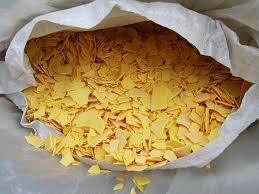
Tell us about your requirement

Price:
Quantity
Select Unit
- 50
- 100
- 200
- 250
- 500
- 1000+
Additional detail
Mobile number
Email

More Products in DEG(Di Ethyle Glycol) Category
Diethylene Glycol
Price 100 - 3000 INR / Kilograms
Minimum Order Quantity : 1000 Kilograms
Taste : Sweet
HS Code : 29094100
Density : 1.118 Gram per cubic centimeter(g/cm3)
Ingredients : Diethylene Glycol
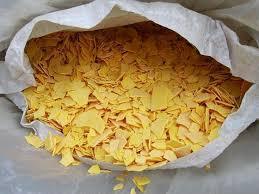
Sodium Sulphide
Price 100 - 3000 INR / Kilograms
Minimum Order Quantity : 1000 Kilograms
Taste : Other, Bitter (Caution: Toxic, not for ingestion)
HS Code : 28301090
Density : 1.86 Gram per cubic centimeter(g/cm3)
Ingredients : Sodium Sulphide
Sodium Flakes
Price 100 - 3000 INR / Kilograms
Minimum Order Quantity : 1000 Kilograms
Taste : Other, Caustic, bitter
HS Code : 28152000
Density : 2.13 Gram per cubic centimeter(g/cm3)
Ingredients : Sodium Hydroxide

 Send Inquiry
Our Products
- Synthetic Thickner
- Emulsifiers for Paint and Pigments
- Color Pigment
- Guar Gum
- Textile Binders
- Auxiliaries Chemicals
- Inorganic Pigment
- Azo Pigment
- Dispersant Chemicals
- Binders Chemical
- Solvent Dyes
- Fluorescent Whitening Agent
- Silicone Textile Softeners
- Scouring Agent
- SHMP
- PCRP
- Polymer Additive
- OB(Optical Brightener)
- OT
- DEG(Di Ethyle Glycol)
- Precipitated Silica
- Emulsifiers for White Phenyl
- Emulsifiers for Pigments and Polymers Emulsions
- Emulsifiers for Pharmaceutical, Food, Cosmetic and
- Plasticizers Chemical
- Ethoxylates Chemical
- Esters Chemical
- Labsa Linear Alkyl Benzene Sulphonic Acid
- Polishing Spray
- Hot Products - PERFORMANCE CHEMICALS
- Sizing & Bio Degradable Plastic
- Silicone oil & Amino Silicone oil

B 11, Harekrishana Complex,Ahmedabad - 380028, Gujarat, India

Mr Ravi
(Director)
Mobile :07313726227
 Send Inquiry
 Send SMS
Developed and Managed by Infocom Network Private Limited.
